




Manufacturing
Indian manufacturing sector contributes around 16% to the GDP and grows around 9-10% every year, till 2008. Strong automotive sector growth and ever expanding domestic market helped the sector grow. Though manufacturing had not been a traditional strength to India, it has made considerable progress in manufacturing, particularly in auto, computer hardware, engineering products and consumer durables. Many surveys have indicated India’s manufacturing strength like low manpower cost also coupled with quality management skills to bring modern technology and capital. No doubt as India’s education system produces 400,000 engineers every year.
Multinationals like LG, Samsung,Nokia, Louis Vuitton in consumer durable sector, Volkswagen, Ford, Hyundai in auto, Airbus, Cummins have already set up shop and made India has a global manufacturing hub. The sector growth had never been consistent and it was always fluctuating from (3% to 10%) boom in 90’s and a lull in second half and peaking in 2002. Its growth too had fluctuated corresponding to its overall contribution to country’s GDP. Key factor is manufacturing sector growth had always grown when there is strong consumer demand and global economy from 2001 had been pretty good. Can we can sustain it in the coming years projected to be gloom with falling demand ?
It is time to test our de-coupling theory, whether our domestic demand is strong enough. With exports at the mercy of exchange rates, can India meet its target of manufacturing exports of US$300 billion by 2015 ? For this we need overall improvement in education, healthcare, labour training and corrective policies from our central govt.
Service Sector
India depends on service sector heavily around 60% of its GDP and growth. It is also a significant employment generator. Service sector encompasses a variety like tourism, rail freight, logistics, hotel industry; healthcare, financial services like insurance and banking have been growing at 28% over the last 5 years, which is remarkably higher than the GDP growth of 7%.
Further, service sector will not be dampened much by the gloom, as healthcare, financial services; tourism has not shown any slackness in the last quarter of 2008. Prospects over the next few years are robust and industry confidence is high. Many feel, the current year may remain flat but it will recover in the last quarters. India’s service industry is also contributing though a meagre 2% service exports but is on growth stage.
Investments : Though manufacturing sector takes lion share when comes to garnering share in FDI but services sector have attracted FDI investments around 1/4th of the total investments over the years. With SEZ going into active mode, more investments have been made in IT & ITES.
After success stories in IT, ITES; pharma contracting services, media and entertainment industries have been in lime light. Recent acclaim of Indian media in Oscars and global entertainment will pave way for future investments.
Power
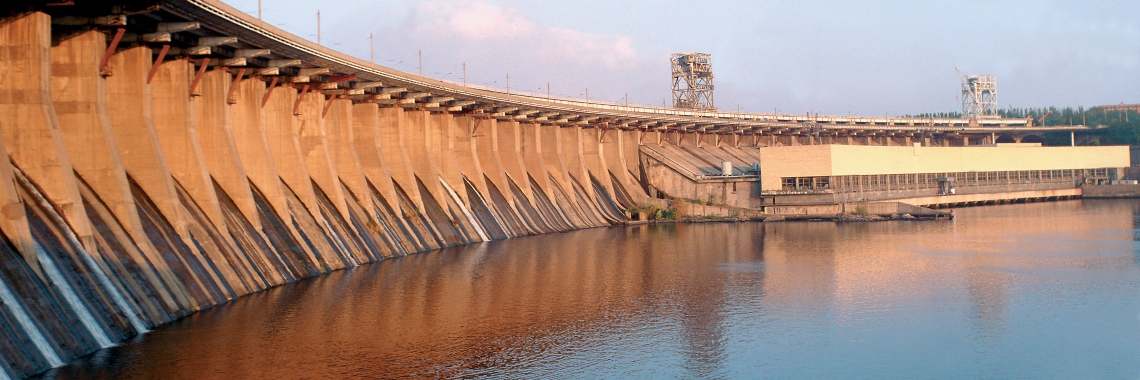
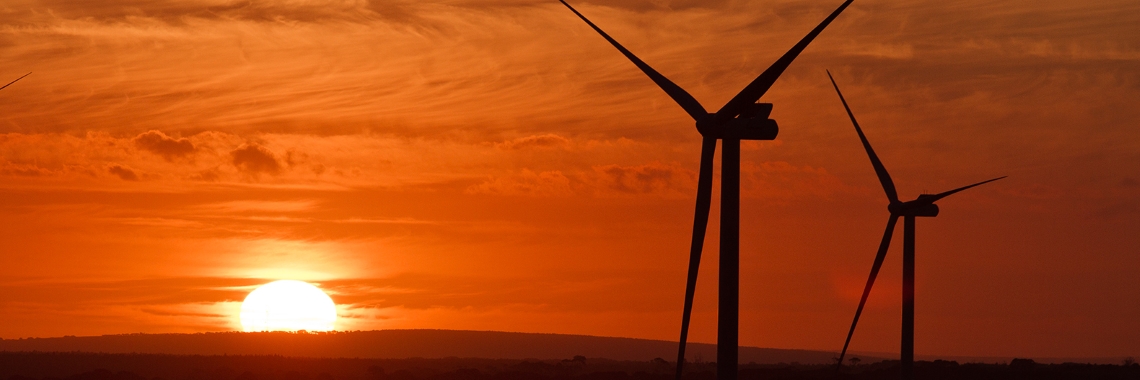
A fast-growing economy, India is targeting an ambitious GDP growth of 10% requires power at cheaper cost to set tone for progress. Presently, it has a huge demand-supply gap. To rectify this, Ministry of Power has to set a goal of adding an additional 100,000 MW of capacity by 2017 as it would require a peak load requirement of 315,000 MW MW by then. This offers a US$ 600 billion opportunity in the next 8 years and a further US$ 200 billion opportunity in transmission & distribution projects.
Current Scenario
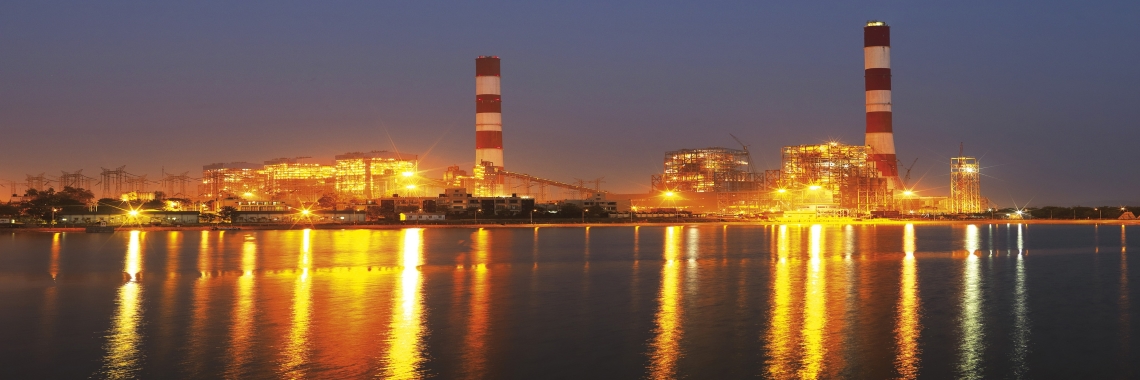
Presently, India has more than 144,565MW in installed capacities and a 250,000 ckt.kms in power transmission lines. It is the sixth largest consumer of electricity in the world with rapid rise in consumption growth (avg. Growth rate of consumption around 14%)
After a period of liberalization from 1991, various reform activities have been taken and a significant one is the passage of Electricity Act, 2003 and several policy changes have been initiated
Highlights
Automatic approval of foreign equity without any upper limit. Any private player can set up thermal, hydel, wind or solar energy power project without any limitation of size. A five year tax holiday allowed for profits of new industrial undertakings for either generation or distribution of power etc., Private Sector : With the economic liberalization, many of the private and foreign companies had shown active interest in setting up power projects.
However, of the several projects announced many are yet to take off on account of the financial viability of SEB's who is the major purchaser or delay in signing fuel supply agreements or bottlenecks in clearances from various ministries.
Recent announcement and ease of norms in power based SEZ to distribute power to other SEZ and earn net foreign exchange (NFE) will also act as incentive.
Industry Advantage:
Despite, several constraints, power sector investment is on the rise as the government tries to reduce power transmission losses with programmes like APDRP, rationalization of tariff, 100% metering, energy audit and so on.
Further, the advantages like availability of well qualified technical manpower, a well established and vast power transmission network, a huge demand-supply gap and an independent judiciary has made the sector attractive for investment.
Infrastructure
With the economy growing at 7 - 8 %, it is imperative that due care is given to Infrastructure to stimulate growth and to give multiplier effect. It was widely believed that the state can provide the best infrastructure were given a go by and now with liberalization, we see a large no. of projects with private sector taking a lead. To sustain and accelerate economic growth of 8 % and above, continuous investment in infrastructure has to take place. Sweeping reforms have taken place to attract private sector investment and foreign direct investment.
Pipeline Distribution
With the costlier imports of around 69% India, still resort to movement of petroleum products by road, which is 15 to 20 times costlier than pipe transportation. The loss due to this mode of transportation is also put at 3 to 5 times higher. Petroleum products are largely transported to Installations, depots, terminals by road from ports. With the privatization, more projects are in the offing from private ports, jetties etc.,
Airports
With the Indian economy all set to integrate with global economy, it is imperative that we upgrade and modernize our outdated aviation infrastructure. By the dawn of this decade, air travel is recognized as a mere mode of transport than luxury and the importance of its role in trade and tourism. A better airport infrastructure will facilitate indirect foreign investment. At present, there are 449 airports/air strips in the country which serves over the Indian airspace and adjoining ocean areas.
Recently, foreign equity participation 74 % with automatic approvals, and upto 100% with special permission is one of the key features that may prop up more projects in this sector. In the policies announced, the Government of India has also recognized potential to earn more revenue from non-aeronautical sources on par with global scale to increase the finances of many ailing airport finances.
Recent Inititatives
The Government of India has likely to include 35 non metro airports for private participation according to recent reports from ET. This radical move against the backdrop strikes of AAI staff, support from left and UPA is a welcome relief for the sagging sector. This move comes as a surprise. Though, we are yet to see the fruits of recent privatasation of airports of Mumbai and Delhi. This may help the govt. decision for queued up privataisation of Kolkatta and Chennai airports. Bangalore and Hyderabad have been completed but tanlges remain with user-development fees s or airport-development fees for to plug funding gaps.
Railways
It is the backbone of our transport infrastructure and it has an extensive route length of more than 62,800 kms moving 1.36 crore passenger and 12 lakh tonnes cargo. However, Indian Railways faces serious problems with its competitiveness, lack of operational facility, high costs, high pension payments and other social costs makes the railways finance unhealthier. To overcome these plaguing problems, Railways have launched 'Own Your Wagon Scheme', Build, Own, Lease, Transfer schemes to bolster private participation. Also the recent initiatives allow connectivity to ports also comes with private participation. However, in recent years, Railways have shown greater business acumen by adopting differential price schemes to come out of red and shown a positive trend.
Our Policies
Shopping Cart
Currencies Selector
Reports
-
Steel Directory 2600 ₹
-
Power Plant Directory 2013 11950 ₹
-
Sugar Directory 2013 2950 ₹
-
Edible Oil Directory 2900 ₹
-
Cement Directory 2013 4950 ₹